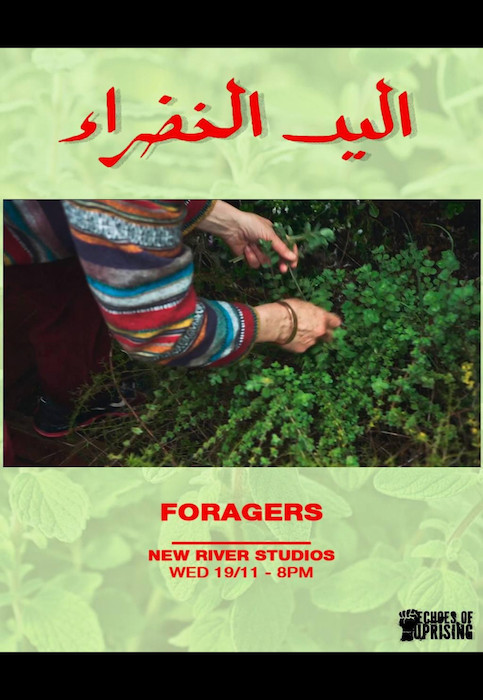
Documentary mentioned by Elisa:
Discussion
I am a lecturer at AUC.
I am a member of OpenTech(AUC).
I teach (in) the following courses:


Documentary mentioned by Elisa:
Thought during Elisa da Vià's lecture:
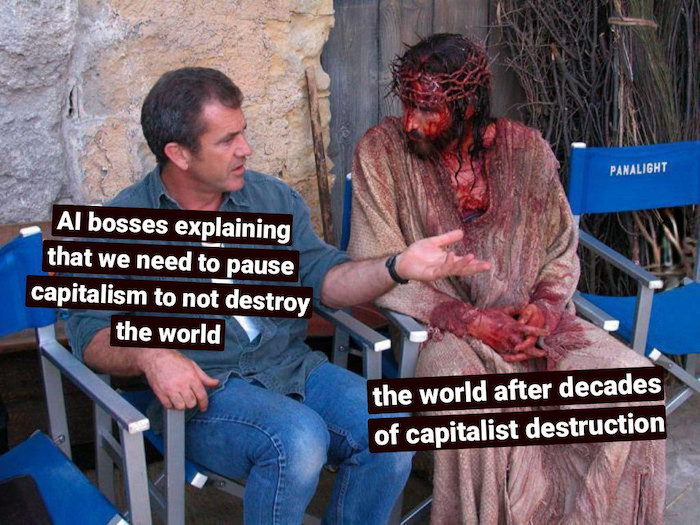
About environmental racism: one way to look at this maybe: as capitalism selects for cost reduction, environmental harms will tend to end up with the people least able to resist it.
 Posted in
Introduction to the Energy Transition
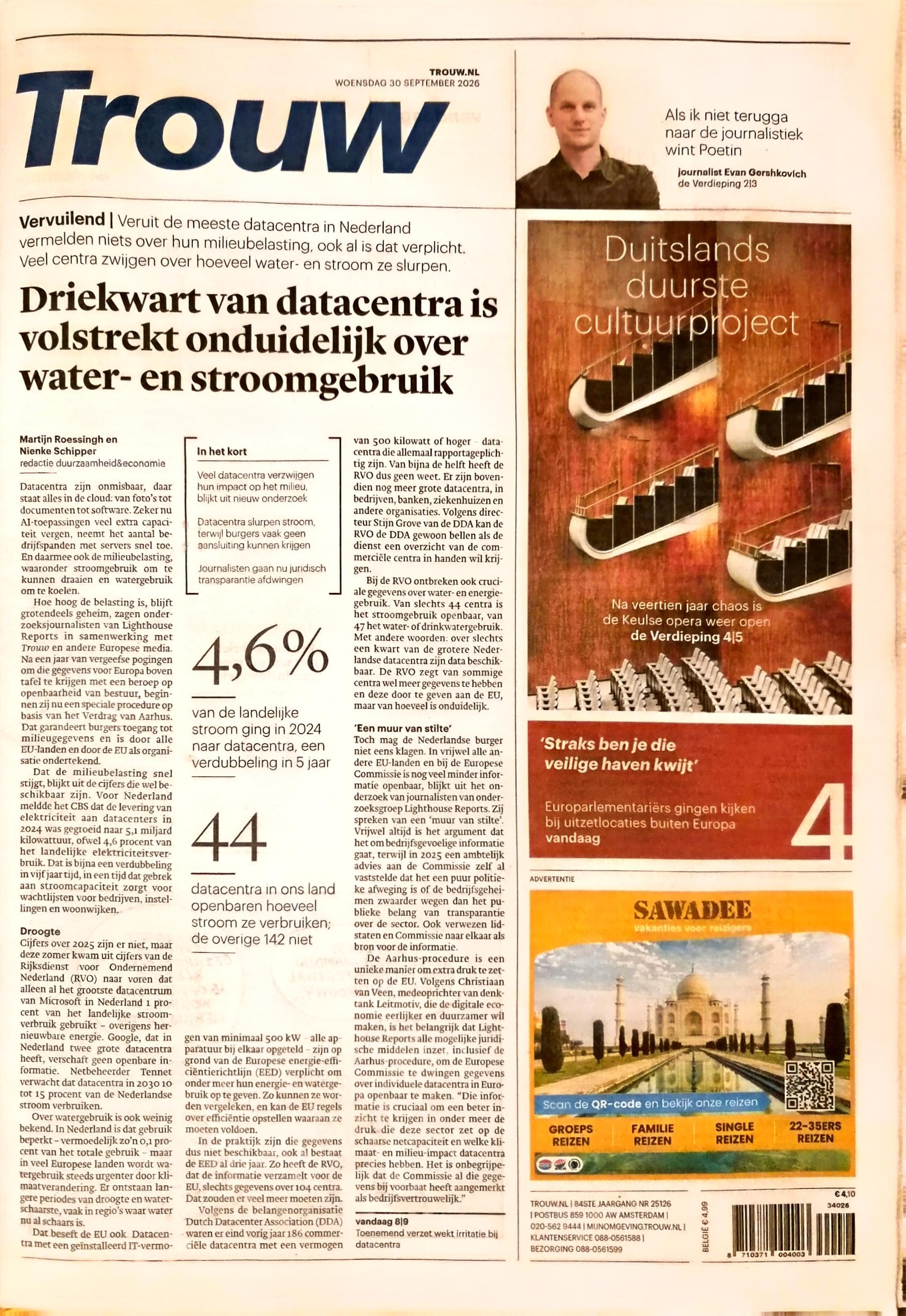
"Data centres in the Netherlands used 4.6% of all electricity in 2024, and transmission system operator TenneT expects this to double or triple to 10-15% by 2030!"
That means that the next 6-11 TWh/year of renewables that will be completed, will go straight to the growth of data centres.
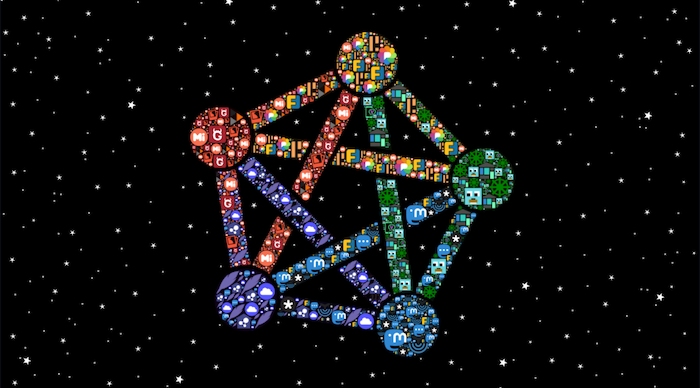
Hello Mastodon! We are a collective of #students and staff from #Amsterdam University College who care about #OpenStandards, #FreeSoftware, and #OpenData.
Every week, we get together to explore, study and organize our way out of the corporate lock-ins that we face at our #university and beyond.
Next to our website, this account will be our main channel to communicate with the world.
We hope that we can connect with others that share our ambitions to push for a free and open digital world.
Welcome @JROTHUI1@social.edu.nl to the Fediverse! 💥✨🔥
Kind of connects with this post: social.edu.nl/@MishaVelthuis...
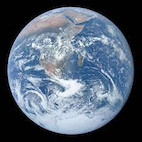 Posted in
System Earth
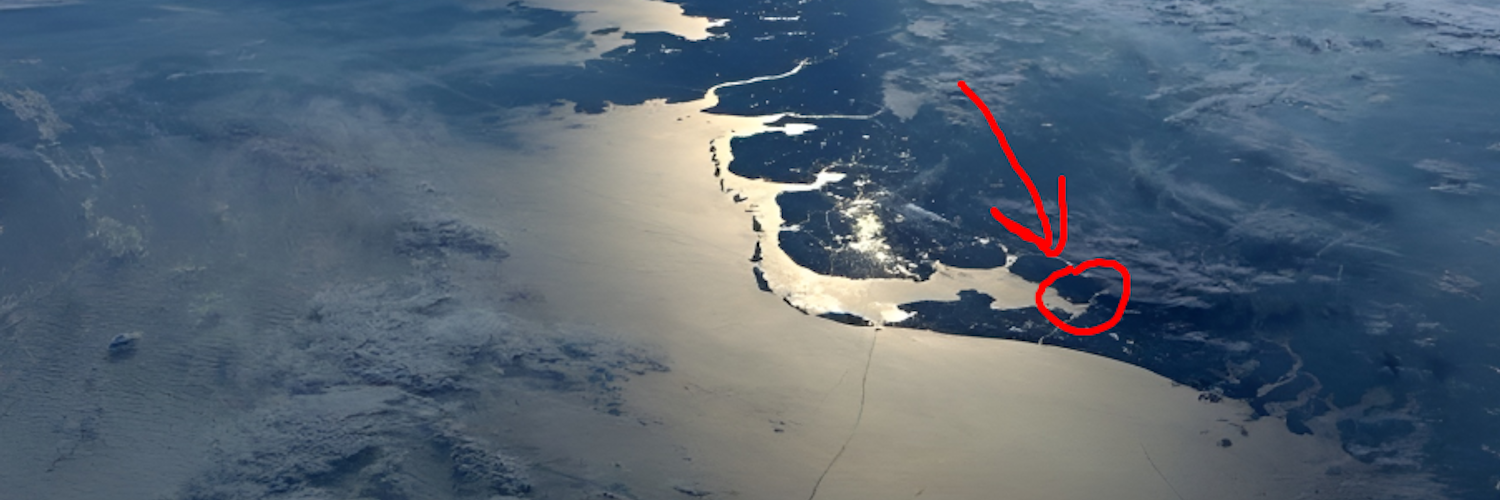
This is the link to the discussion on the #GulfStream that we discussed in class!
“De digitalisering van de maatschappij heeft ons afhankelijk gemaakt van een klein aantal technologiebedrijven. [..] Statelijke en niet-statelijke actoren vinden steeds meer manieren om onze afhankelijkheden tegen ons te gebruiken, terwijl geopolitieke
ontwikkelingen voor toenemende onvoorspelbaarheid zorgen. Om deze dreigingen zo veel mogelijk tegen te gaan is het nodig om onze digitale autonomie meer prioriteit te geven, onder meer via #opensource en #openstandaarden.”
This week's content overlaps with another course I'm teaching.
Check out the posts I made about the Fediverse in that group: bonfire.opentech-auc.org/+Fe...
I also recorded a video several months ago, and I uploaded it on our own #Peertube instance: tube.opentech-auc.org/w/3sFN...
OpenTech(AUC) PeerTube channel
In this video Elena Rossini explains the basic idea of the Fediverse: videos.elenarossini.com/w/64...
Elena Rossini on PeerTube
@misha@bonfire.opentech-auc.org @BartVerheggen @misha@bookrastinating.com
(That post was made from our new bonfire server by the way. A little experiment from @OpenTech_AUC).
@MishaVelthuis 😂 it's sad that using X is not anymore neutral 🙃
"This is why geoengineers are currently trying to inject CO2 straight into Iceland, which rises above the surf from the volcanoes of the ocean’s mid-Atlantic ridge. They want to artificially weather these rocks, transmuting the island’s basalts directly into limestone, storing that CO2 permanently as geology. It’s also why the islands that stretch from Indonesia to the Philippines, and that started rising from the seafloor 20 million years ago, provide about 10 percent of the world’s carbon sink today: soaring volcanic islands that find themselves in the hot, storm-tossed tropics, perpetually lashed by typhoons and chewed apart by jungles, are veritable CO2 sponges."
— Peter Brannen: The Story of CO2 Is the Story of Everything
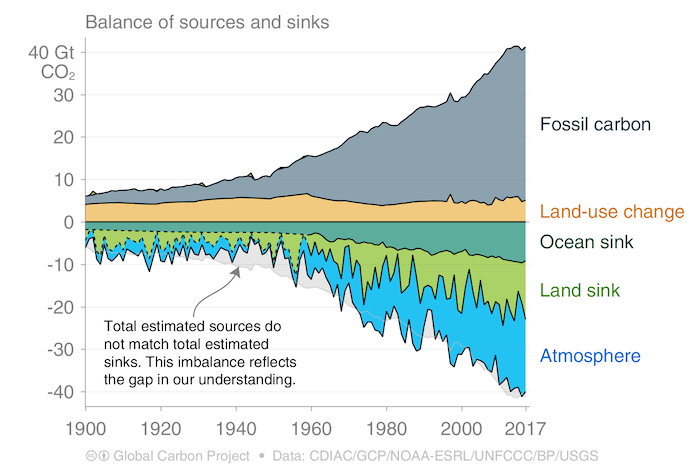
@BartVerheggen@social.edu.nl This number (10%) seems a bit big to me? That silicate weathering in Indonesia and Philippines provides 10% of the world's carbon sink today? For example given the attached graph?
Bij meer dan twee meter zeespiegelstijging zal Nederland er heel anders uit komen te zien. Zelfs meebewegen met de zee is dan een denkbeeldig scenario.
In feite komt het hierop neer: delen van Nederland teruggeven aan de zee wordt een realistisch toekomstscenario voor de lange termijn, tenzij we de wereldwijde CO2-uitstoot heel snel naar nul weten terug te brengen én de grote ijskappen zich een beetje koest houden.
Hello world. This is the bonfire instance of OpenTech(AUC)!

Install Bonfire social
Get the full app experience